The £1 Taste Audit: What Britain’s Art-Raffle Tables Actually Reveal
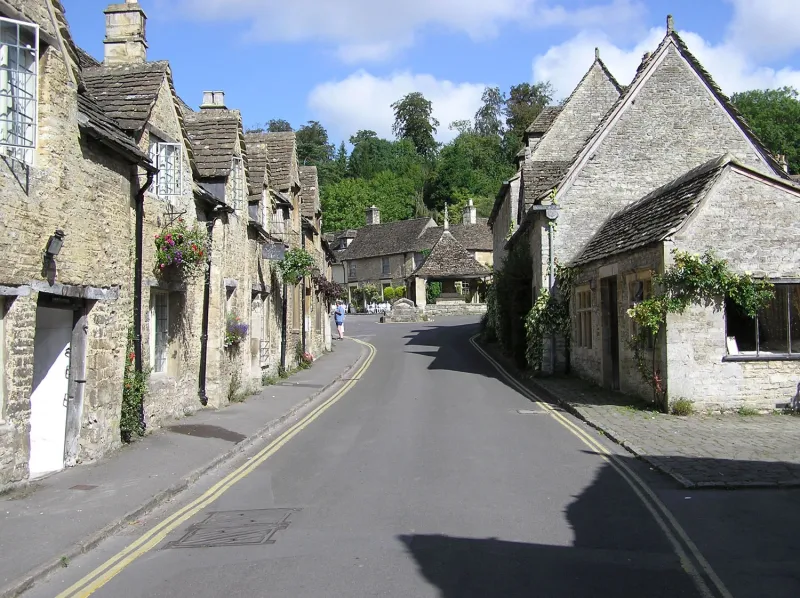
Photo: village hall tombola raffle table UK church fair prizes, via vignette2.wikia.nocookie.net
The table is always slightly too small. That is the first rule of the art raffle. A trestle in a church hall, a school gym, or the back room of a pub that smells faintly of chips and Flash. On it: a framed watercolour of a harbour that may be Whitby, a wonky ceramic bowl with a thumbprint still visible in the glaze, a signed print from an artist whose name you half-recognise from a studio trail four years ago. Beside them, a roll of cloakroom tickets and a Quality Street tin for the cash. This is not a gallery. It is something better: a taste-testing lab with a tea urn.
I have been collecting these tables the way other people collect private view cards. Not literally — I am not yet the person with a shed full of tombola detritus — but mentally. And the more I look, the more I think the humble art raffle is one of the most honest public galleries we have. No wall text. No curator’s essay. No polite murmur about the artist’s practice. Just a pound, a strip of tickets, and the blunt democracy of what people actually hope to win.
The anatomy of a raffle table
There are recognisable types. The Framed Watercolour is the backbone of the form: competent, gentle, almost always depicting a boat or a drystone wall. It is the prize nobody admits to wanting and everybody secretly hopes for, because it can go straight into the downstairs loo and look intentional.
The Wonky Ceramic is the wildcard. It might be a mug that leans, a bowl with a glaze that pooled strangely, or a small creature that is either a hedgehog or a garlic bulb. These are donated by makers who have moved on from their early work but cannot bear to bin it. They are, pound for pound, the most emotionally loaded prizes on the table.
The Signed Print is the status object. Often an edition of 150, often from a gallery that over-ordered, always described by the organiser as “a lovely thing” in a way that suggests they are not entirely sure. And then the Mystery Bag — a tote, a notebook, a candle — which exists to keep children interested and adults slightly suspicious.
Where the prizes come from
I asked around. Not in a formal way; mostly by loitering near the cake table. The answers were consistent. Prizes arrive in three streams: studio clear-outs, charity-shop overflow, and the quiet generosity of local artists who would rather donate a piece than price it for a craft fair. One organiser in Bristol told me her annual raffle is “90 per cent guilt, 10 per cent admin” — guilt from artists who missed a deadline, admin from her kitchen table. She keeps a spreadsheet. The spreadsheet has a column called “probably won’t sell but too nice to skip”.
That column, I think, is the real archive. It is a record of what makers make when nobody is commissioning them. The harbour watercolours, the experimental glazes, the prints that were a bit too odd for the gallery but too good for the bin. The raffle table is where the unresolved work goes to find a wall.
The moment of choice
The most revealing part is not the draw. It is the choosing. Winners stand in front of the table, usually with a child tugging at one hand and a glass of squash in the other, and they do not read any labels. They do not ask about provenance. They pick with their gut. And their gut is fascinating.
At a school fair in Leeds last autumn, I watched six consecutive winners overlook a technically accomplished oil painting in favour of a small, lopsided ceramic bird. The bird was not good in any conventional sense. It was good in the way a joke is good. People wanted it on their windowsill. They wanted to look at it while doing the washing up. That is not a failure of taste; it is taste operating without the pressure of being seen to have taste.
This is the raffle’s quiet radicalism. In a gallery, we are all performing. We read the room, the wall text, the price list. At a raffle table, the stakes are a pound and the only audience is your own kitchen. You choose the wonky bird because you like it. That is closer to honest curation than most private views I have attended.
The economics of a pound
Let’s be clear about the money. Art raffles do not raise much. A good one might take £200; a great one might clear £500 if the local MP turns up and buys a strip out of duty. The prizes are donated, the venue is borrowed, the labour is invisible. As a funding model, it is closer to a bring-and-buy sale than a philanthropy strategy.
But the value is not in the total. It is in the permission. A raffle lets people who would never set foot in a commercial gallery own an original thing. It lets artists offload the work that sits awkwardly in their practice. It lets a village hall briefly become a place where taste is discussed, argued over, and carried home in a carrier bag. In 2026, when so much cultural conversation happens on screens and in algorithmic feeds, that feels almost quaintly radical.
Keep the table slightly too small
My proposal is simple: do not professionalise the art raffle. Do not add a curator’s statement. Do not print a catalogue. Do not start labelling the prizes with the artist’s Instagram handle. The table works precisely because it is a bit of a jumble. The wonky ceramic needs to sit next to the competent watercolour without hierarchy. The £1 ticket needs to feel like a small, daft gamble rather than a cultural transaction.
If you are organising one this year, keep the trestle. Keep the tea urn. Keep the Quality Street tin. And when someone wins the lopsided bird and looks genuinely delighted, resist the urge to explain what it is. They already know. They chose it. That is the whole point.