Staple First, Scroll Later: The UK Zine Tables Worth Queueing For in 2026

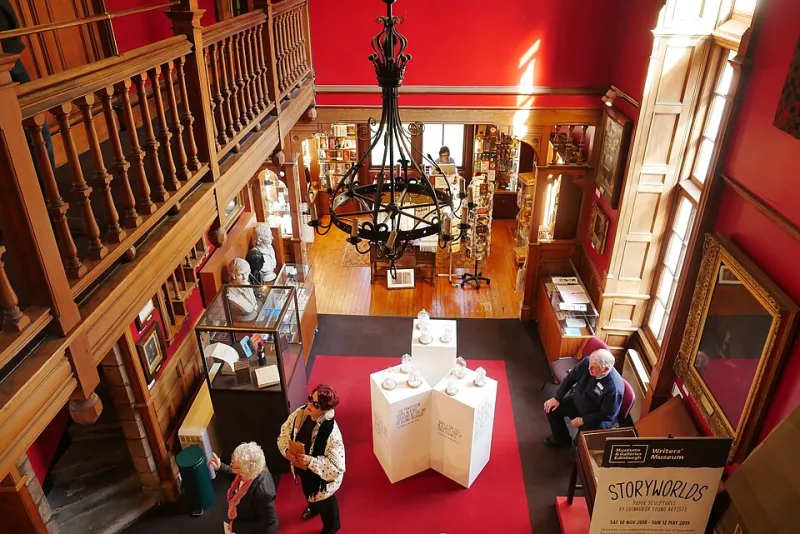
Photo: UK zine fair table photocopied zines stapled pamphlets small press, via as2.ftcdn.net
The queue starts before the doors open. Someone is holding a tote bag with a broken strap. Someone else is clutching a Tupperware box of freshly stapled A5 pamphlets. There is a thermos. There is always a thermos. This is not a tech conference; it is a zine fair, and in 2026 it is one of the last places in Britain where you can watch culture being made at the speed of a photocopier.
Why the table still matters
The internet gave everyone a publishing platform and then quietly made it exhausting. The zine table is the opposite: finite, tactile, slightly awkward. You have to leave the house. You have to make eye contact. You have to decide whether the person behind the table is selling a manifesto or a collection of drawings of pigeons. The stakes are low, which is exactly why the energy is high. Nobody is optimising a funnel. They are trying to get rid of 40 copies of a comic about the bus.
The rules of the table
Bring cash, especially small notes. Bring a tote bag that can take weight. Do not haggle; zines are already cheap. If someone offers a swap, take it seriously: swapping is the social contract of the whole scene. Ask before you photograph a stall. Buy the weird one. And if you see a teenager looking nervously at their own stack of photocopied poems, buy that too.
Five tables worth queueing for in 2026
Paper Cuts, Leeds
A church hall fair with a strong local bias: risograph comics, football fanzines, and a table of photocopied recipes from someone's nan. Expect a queue for the coffee urn and a lot of people saying 'I used to make these in the nineties.' Check listings for the next date; it moves around.
Staple Diet, Bristol
Held under a railway arch, which means the acoustics are terrible and the atmosphere is perfect. This is where you find screen-printed covers, hand-sewn bindings, and at least three people who will try to explain the difference between a zine and a pamphlet. Let them.
Glasgow Zine Library Sunday Swap
Less a fair, more a ritual. Bring a zine, take a zine, stay for the table chat. The library's collection is a proper archive of Scottish DIY publishing, and the swap table is where the new stuff circulates. If you are starting out, this is the softest landing.
Margate Small Press Knees-Up
A community-centre fair with a seaside looseness: bad poetry, good chips, and a table dedicated entirely to found photographs of people's dogs. The organisers lean into the 'anti-algorithm' thing, which mostly means they refuse to make a spreadsheet.
Cardiff Pocket Press Fair
A one-room affair in a arts centre with a strict 'no glossy finish' policy. You will find lino-cut covers, typewriter poetry, and a lot of work that looks like it was made at the kitchen table because it was. Go early; the best swaps go by lunch.
How to start your own pocket-sized side project
You do not need a publisher. You need a theme, a photocopier and a deadline. Pick something small enough to fit on eight pages: a walk you take, a bus route, a collection of overheard sentences, a list of things you have lost. Make it by hand. Staple it badly. Give half of it away. The first one will be wonky. The second one will be less wonky. By the third, you will have a table at a local fair and a thermos of your own.
The zine table is not nostalgic. It is a working alternative. In 2026, when so much of culture is delivered by an invisible recommendation engine, there is something genuinely radical about a room full of people deciding what to read by picking it up and turning it over. Staple first. Scroll later.